
Introduction
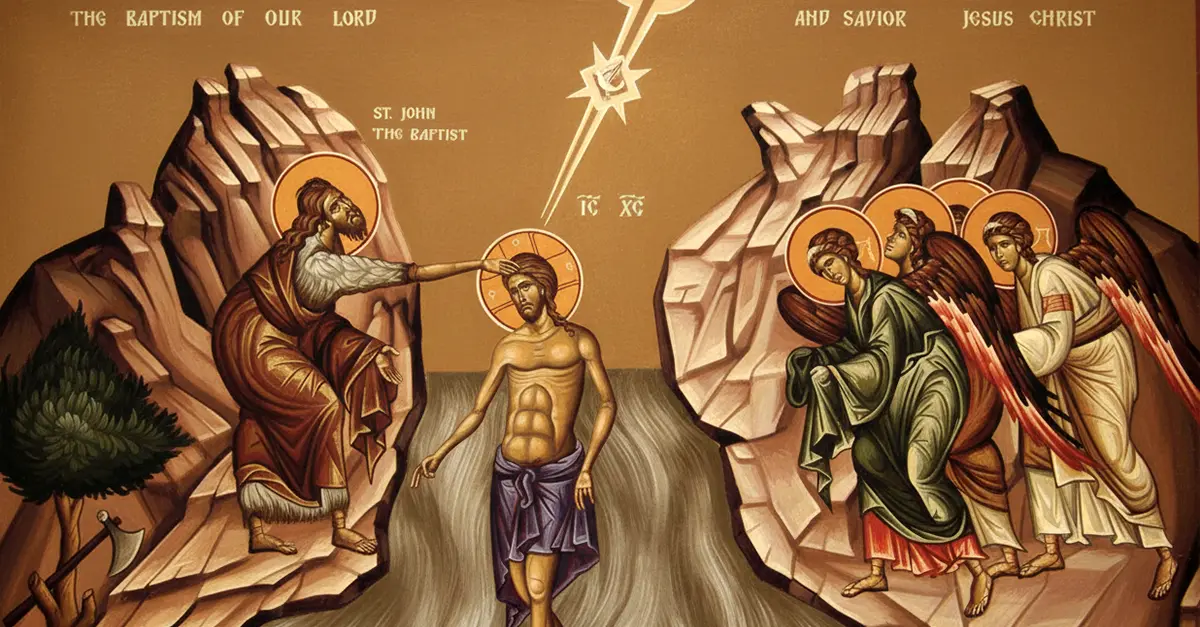
The Feast of Epiphany - Denaha in the Malankara Orthodox tradition - stands as one of the most profound celebrations of Christ’s revelation to the world. Observed on January 6, Denaha commemorates the Baptism of our Lord Jesus Christ in the River Jordan by St. John the Baptist, marking the moment when the Holy Trinity was manifested to humanity.
The Meaning of Denaha
The Syriac word Denaha means “revelation” or “manifestation.”
In the Orthodox understanding, this feast is not merely a remembrance of a historical event but a celebration of divine revelation:
• The Father’s voice proclaiming, “This is My beloved Son.”
• The Son standing in the waters of the Jordan, sanctifying creation.
• The Holy Spirit descending in the form of a dove.
This moment reveals the mystery of the Holy Trinity and affirms Christ’s mission to renew and redeem the world.
Epiphany in the Malankara Orthodox Tradition
The Malankara Orthodox Syrian Church preserves a rich liturgical heritage surrounding Denaha. The feast is marked with solemn prayers, hymns, and the blessing of water - a reminder that Christ’s baptism sanctified the waters of the world and, through them, all of creation.
Key Liturgical Elements
• Evening Prayer (Sandhya Namaskaram) on the eve of the feast
• Morning Prayer (Prabatha Namaskaram) and Holy Qurbana
• Blessing of Water (Denaha Blessing)
• Processions with candles and crosses
• Sprinkling of blessed water on the faithful
The blessed water is taken home by many families as a sign of protection, healing, and renewal.
Theological Significance
Epiphany is not only about Christ’s baptism - it is about our own.
1. Renewal of Baptismal Identity
As Christ entered the Jordan, He sanctified the waters so that through baptism we may enter into new life. Denaha invites every believer to reflect on their baptismal calling:
• To live as children of light
• To grow in holiness
• To witness Christ in the world
2. Revelation of the Trinity
The feast is one of the clearest scriptural moments where the Trinity is revealed. It affirms the unity and distinctness of the Father, Son, and Holy Spirit.
3. Sanctification of Creation
By stepping into the waters, Christ renews the created world. The blessing of water during Denaha is a continuation of this sanctifying act.
Traditions in the Malankara Community
Across parishes in India, the Middle East, and around the world, Denaha is celebrated with deep devotion. Common traditions include:
• Lighting candles symbolizing divine light
• Decorating the church with white and blue
• Family gatherings after the service
• Sharing blessed water with neighbors and the sick
• Teaching children the meaning of Christ’s baptism
These practices strengthen the spiritual life of the community and connect generations to the ancient faith.
A Feast of Light in a World of Shadows
In a world often marked by uncertainty, conflict, and distraction, Denaha shines as a reminder that Christ is the Light who enters our darkness. His baptism is a call to renewal - to cleanse our hearts, recommit our lives, and walk in the radiance of His love.
Conclusion
As we celebrate the Feast of Epiphany, may the revelation of Christ inspire us to deepen our faith, renew our baptismal vows, and live as bearers of divine light. May the blessed water of Denaha refresh our homes, our families, and our spiritual journey.
“O Lord, who was baptized in the Jordan,
Sanctify us with Your heavenly grace.”