
Introduction
The Three‑Day Fast of Nineveh, known in the Malankara Orthodox Syrian Church as Moonu Nombu, is one of the most ancient and spiritually significant fasts in the Orthodox tradition. Observed three weeks before the start of Great Lent, this fast invites the faithful into a time of repentance, humility, and transformation - echoing the repentance of the people of Nineveh at the preaching of Prophet Jonah.
Biblical Foundation
The fast is rooted in the Book of Jonah, where God sends the prophet to warn the people of Nineveh of impending destruction due to their wickedness. Jonah’s reluctant mission becomes a powerful testimony of divine mercy.
Key Scriptural Moments
• Jonah flees from God’s command
• A storm threatens the ship
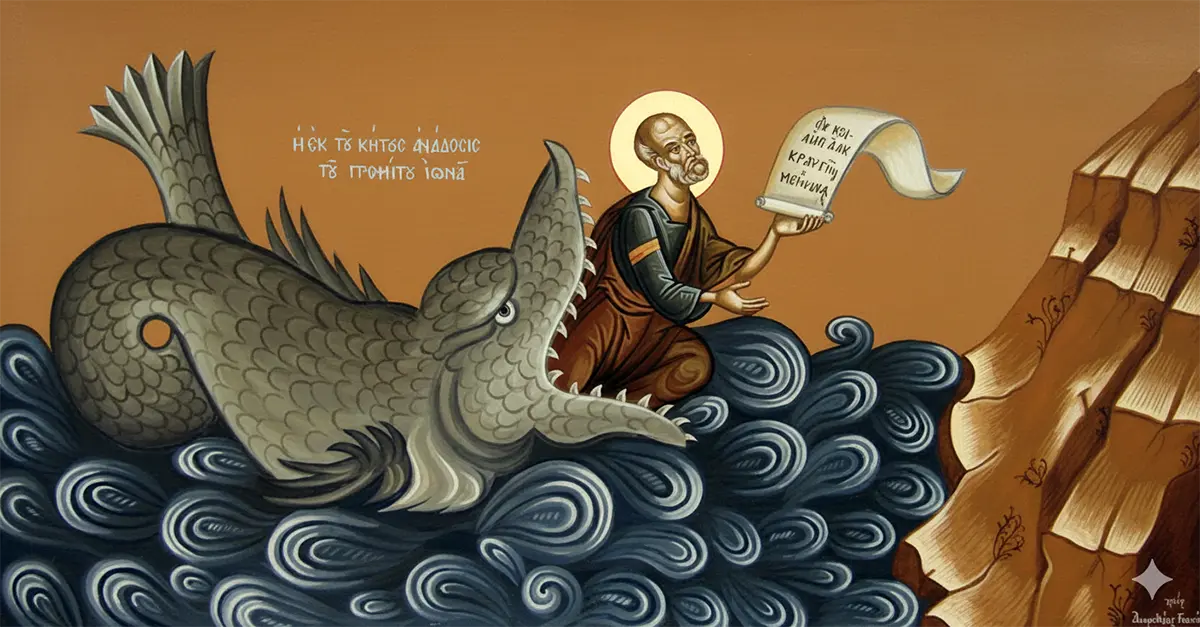
• Jonah is swallowed by a great fish
• His prayer from the belly of the fish
• Nineveh’s repentance and God’s forgiveness
The people of Nineveh - from the king to the smallest child - respond with fasting, sackcloth, and sincere repentance. Their transformation moves God to spare the city.
Why the Church Observes the Nineveh Fast?
The Three‑Day Fast is a reminder that God’s mercy is greater than human sin. It teaches that repentance is not merely sorrow for wrongdoing but a turning of the heart toward God.
Spiritual Themes of the Fast
• Repentance: A sincere return to God
• Humility: Recognising our dependence on divine grace
• Renewal: Beginning again with a cleansed heart
• Obedience: Following God’s call even when difficult
• Hope: Trusting in God’s compassion
This fast prepares the faithful for the deeper journey of Great Lent, helping them enter the season with a softened heart and renewed spirit.
Nineveh Fast in the Malankara Orthodox Tradition
The Malankara Orthodox Church observes Moonu Nombu with solemnity and devotion. The fast typically includes:
Liturgical Practices
• Strict fasting for three days
• Special prayers during Morning and Evening Worship
• Reading from the Book of Jonah
• Hymns of repentance and mercy
• Holy Qurbana on the final day
Many faithful choose to abstain from food until noon or evening, following the ancient practice of the Syriac fathers.
The Message of Jonah for Today
The story of Jonah is not simply a historical account - it is a mirror held up to our own lives.
1. God Calls Each of Us
Like Jonah, we are called to witness, serve, and obey. Running from God only leads to storms within and around us.
2. Repentance Transforms Communities
The repentance of an entire city shows the power of collective humility. Families, parishes, and communities can be renewed when hearts turn toward God.
3. God’s Mercy Is Boundless
The sparing of Nineveh reveals a God who delights in forgiveness, not punishment. No one is beyond redemption.
4. Prayer Opens the Way to Renewal
Jonah’s prayer from the depths teaches that God hears us even in our darkest moments.
A Fast for the Modern World
In a time marked by distraction, division, and spiritual fatigue, the Nineveh Fast offers a counter‑cultural invitation:
• Slow down
• Reflect
• Repent
• Reconcile
• Return to God
Moonu Nombu reminds us that transformation begins not with grand gestures but with a humble heart.
Conclusion
As we observe the Feast and Fast of Nineveh, may we join the people of old in seeking God’s mercy with sincerity and hope. Let this three‑day journey awaken our hearts, renew our spirits, and prepare us for the holy season ahead.
“O Lord, who had mercy on the repentant people of Nineveh,
Have mercy on us and renew our lives.”